
What Are Qoghundos and Their Ingredients?
Qoghundos, a traditional dish originating from Central Asia, hold cultural significance in regions such as Uzbekistan and Tajikistan. Often served during festive occasions and family gatherings, these savory pastries are characterized by their unique flavors and textures. Making qoghundos typically involves a variety of ingredients that can either be natural or processed, which significantly contributes to their nutritional profile.
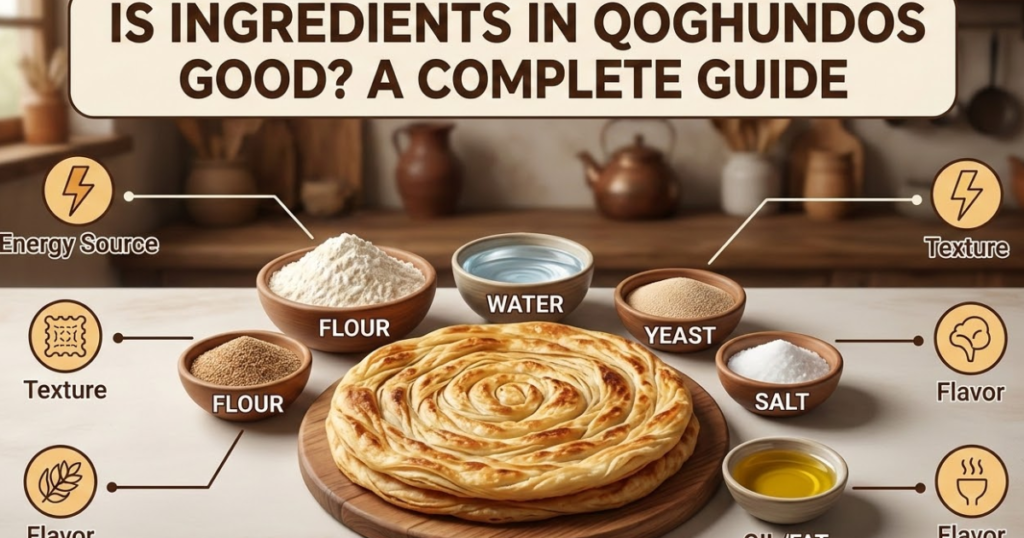
The primary components used in preparing qoghundos include flour, meat (usually lamb or beef), onions, and an assortment of spices. Flour serves as the base for the dough, while meat provides a hearty filling. Onions add moisture and flavor, which is essential to enhance the taste profile of the dish. Additionally, common spices used may include cumin, black pepper, and sometimes saffron, all of which impart distinct aromas and flavors.
In recent years, there has been a growing interest in the health implications of food ingredients. Thus, it is crucial for consumers to understand whether the ingredients in qoghundos are beneficial for their health. Generally, the key ingredients are mostly natural, which suggests a favorable impact when consumed in moderation. However, depending on the source, some variants may include processed elements that could alter their nutritional value. For instance, if pre-packaged meats or flavored oils are used, this can affect the overall quality of the dish.
Understanding the ingredients in qoghundos is critical for making informed dietary choices. Awareness of what goes into these pastries can help individuals appreciate their cultural heritage while also considering their health implications. Therefore, examining the common ingredients not only sheds light on the culinary traditions associated with qoghundos but also encourages mindfulness about what we consume.
Nutritional Benefits of Qoghundos Ingredients
The ingredients in qoghundos are a considerable factor in determining their nutritional value and health benefits. Qoghundos typically include a variety of components such as grains, legumes, nuts, and various spices, each contributing distinct vitamins and minerals essential for overall health. For instance, the grains present might offer a rich source of complex carbohydrates, which are critical for providing sustained energy and maintaining healthy digestion.
Legumes are often a staple in qoghundos, known for their high protein content and fiber. These ingredients can aid in muscle repair and growth, as well as promote satiety, making them beneficial for individuals looking to manage their weight. Furthermore, many legumes are rich in iron, magnesium, and folate, nutrients that play crucial roles in assisting bodily functions such as oxygen transportation and DNA synthesis.
Nuts included in the blend of qoghundos contribute healthy fats, particularly omega-3 and omega-6 fatty acids. These fats are widely acknowledged for their heart health benefits, including reducing inflammation and lowering cholesterol levels. Additionally, nuts are a good source of vitamins E and B, which can support skin health and energy production.
The spices found in qoghundos not only enhance flavor but often carry their own health benefits. For instance, turmeric is recognized for its anti-inflammatory properties, while cumin can assist in digestion. Therefore, the inclusion of these spices further enhances the potential health benefits of the entire dish.
When compared to other commonly consumed foods, the ingredients in qoghundos showcase a diverse array of nutrients that may contribute positively to health. Overall, the evaluation of the ingredients in qoghundos indicates that they are likely to be beneficial when incorporated into a balanced diet.
Potential Health Risks Associated with Qoghundos Ingredients
While Qoghundos can be a delightful treat, it is essential to examine the potential health risks associated with its ingredients. Some individuals may have allergies or intolerances to specific components that are commonly found in qoghundos. For example, nuts, dairy, and gluten are frequent allergens that can elicit severe reactions in sensitive individuals. It is crucial for those with known allergies to thoroughly review the ingredient list before indulging in this delicacy.
In addition to allergies, certain ingredients in qoghundos might provoke digestive issues for some people. For instance, high levels of sugar can lead to uncomfortable feelings such as bloating or gas, particularly for those who are prone to digestive sensitivities. Furthermore, if the qoghundos contain artificial additives or preservatives, these might pose health risks if consumed frequently or in large quantities, as they can disrupt the gut microbiome.
Some of the ingredients in qoghundos may also raise concerns regarding their long-term health implications. For example, excessive consumption of saturated fats found in certain oils or butters could lead to cardiovascular issues over time. It is critical to consume qoghundos in moderation and be mindful of portion sizes to mitigate these potential risks. Pairing qoghundos with healthier alternatives or balancing them with nutrient-rich foods can also help reduce adverse effects.
In light of these considerations, individuals should be well-informed about the specific ingredients in qoghundos, recognizing both the benefits and risks. By doing so, one can make educated dietary choices that align with their health needs and preferences.
Conclusion: Are the Ingredients in Qoghundos Good?
In evaluating whether the ingredients in qoghundos are beneficial for health, we must consider both the nutritional advantages and potential drawbacks associated with these ingredients. Throughout this discussion, we have identified several key components of qoghundos, such as nuts, fruits, and other natural additives, which contribute positively to their nutritional profile.
Qoghundos often incorporate various nuts, which are rich in healthy fats, proteins, vitamins, and minerals, making them excellent options for enhancing heart health and providing sustained energy. Additionally, fruits used in qoghundos offer essential vitamins, antioxidants, and fiber, further promoting overall well-being. However, vigilance is necessary as some components may introduce excess sugars or preservatives that might detract from their health benefits.
While the ingredients in qoghundos can indeed support a balanced diet, moderation is key. The inclusion of qoghundos in one’s diet should be done mindfully, taking into account any specific dietary restrictions or health concerns an individual may have. Choosing qoghundos with minimal processing and lower sugar content can enhance the positive effects of the included ingredients.
For those looking to enjoy qoghundos healthily, consider pairing them with whole grains or incorporating them into meals rather than ingesting them solely as snacks. This holistic approach ensures that the ingredients in qoghundos contribute positively to one’s nutritional intake. In conclusion, while many ingredients in qoghundos can be good for you, mindful selection and consumption are essential for harnessing their full health potential.